
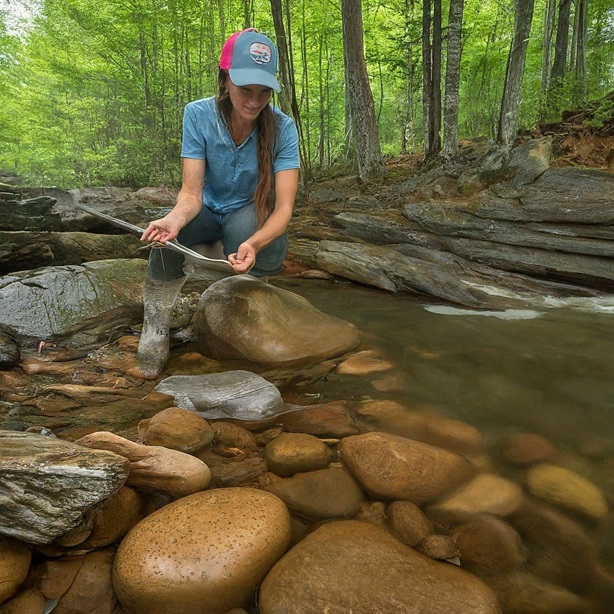
Vermont, often celebrated for its stunning landscapes and picturesque villages, holds a lesser-known treasure beneath its surface – gold. While not as renowned as some western states for gold prospecting, Vermont offers a rich history of gold mining and potential for discovering precious metals. In this article, we’ll delve into the world of gold prospecting in Vermont, exploring its geological features, historical mining sites, and the best strategies for finding gold in the Green Mountain State.
Vermont’s Geological Background
Vermont’s geology is characterized by a diverse range of rock formations, including granite, schist, slate, and quartz, which were shaped by ancient geological processes such as tectonic activity, erosion, and glaciation. These varied geological formations provide fertile ground for gold-bearing deposits, with placer gold found in rivers, streams, and glacial deposits throughout the state.
Historical Gold Mining in Vermont
Vermont has a rich history of gold mining dating back to the early 19th century. The discovery of placer gold in rivers and streams sparked several gold rushes, attracting prospectors from far and wide in search of their fortunes. Some of the most famous gold mining districts in Vermont include:
- The Vermont Gold Belt: Stretching from Plymouth to Bridgewater, the Vermont Gold Belt is one of the state’s most productive gold mining regions. Prospectors have long been drawn to the area’s rich alluvial deposits, which have yielded significant quantities of placer gold over the years.
- The Connecticut River Valley: The Connecticut River Valley, which forms the border between Vermont and New Hampshire, is another promising gold mining area. Prospectors can often find placer gold in the river’s gravel bars, sandbars, and floodplains, particularly after heavy rains or spring runoff.
- The Green Mountains: The Green Mountains, which run north-south through the center of Vermont, contain numerous gold-bearing streams and tributaries. Prospectors can explore the mountains’ rugged terrain in search of gold-bearing quartz veins, which may contain valuable deposits of native gold.
Suitable Prospecting Techniques To Use In Vermont
Prospecting for gold in Vermont requires careful planning, patience, and persistence. While the state’s gold deposits may not be as abundant or easily accessible as those in other regions, prospectors can still find success by employing the following techniques:
- Panning: Gold panning is one of the oldest and simplest methods of prospecting for placer gold. Prospectors use a pan to scoop up sediment from rivers and streams, then carefully swirl the pan to separate the gold from the lighter material. While panning may yield only small amounts of gold, it can be an effective way to sample potential prospecting sites and identify promising areas for further exploration.
- Sluicing: Sluicing is a more advanced form of placer mining that involves using a sluice box to channel water and sediment through a series of riffles and traps, allowing the heavier gold particles to settle out and accumulate in the bottom of the box. Sluicing can be a highly efficient way to process large volumes of material and recover significant quantities of gold.
- Metal Detecting: Metal detecting is another popular prospecting technique that can be highly effective in Vermont’s gold-bearing areas. Prospectors use metal detectors to search for buried gold nuggets and deposits in streams, rivers, and old mining sites. By carefully scanning the ground and listening for the distinctive signals emitted by metal objects, prospectors can pinpoint potential gold targets and recover valuable treasures.
- Drywashing: Drywashing is a specialized form of prospecting that involves using a drywasher to separate gold from dry sediment and soil. Prospectors shovel dry material into the drywasher, which uses air currents to blow away the lighter material and leave behind the heavier gold particles. Drywashing can be particularly effective in arid regions or areas with limited water sources.
Best Prospecting Sites in Vermont
While gold can be found throughout Vermont, some areas are more promising for prospecting than others. Some of the best prospecting sites in Vermont include:
- The Vermont Gold Belt: The Vermont Gold Belt remains one of the state’s most productive gold mining regions, with numerous rivers, streams, and tributaries offering opportunities for placer mining. Prospectors can explore the area’s alluvial deposits and bedrock formations in search of gold-bearing material.
- The Connecticut River Valley: The Connecticut River Valley is another prime prospecting area, with its gravel bars, sandbars, and floodplains providing fertile ground for placer gold. Prospectors can also search for gold in the river’s tributaries and old mining sites along its banks.
- The Green Mountains: The Green Mountains contain numerous gold-bearing streams and tributaries, as well as potential deposits of gold-bearing quartz veins. Prospectors can explore the mountains’ rugged terrain in search of promising prospecting sites and geological formations.
While gold prospecting in Vermont may not offer the same abundance of riches as some western states, it nevertheless presents a rewarding and exciting opportunity for adventurers and treasure hunters alike. With its rich history, diverse geological formations, and potential for discovering precious metals, Vermont offers ample opportunities for prospectors to explore and uncover the state’s hidden treasures.
By understanding the state’s geological features, historical mining sites, and effective prospecting techniques, enthusiasts can maximize their chances of success and make the most of their prospecting expeditions in the Green Mountain State. So, gear up, head out into the wilderness, and may your next gold prospecting adventure in Vermont be filled with golden discoveries and unforgettable experiences.