
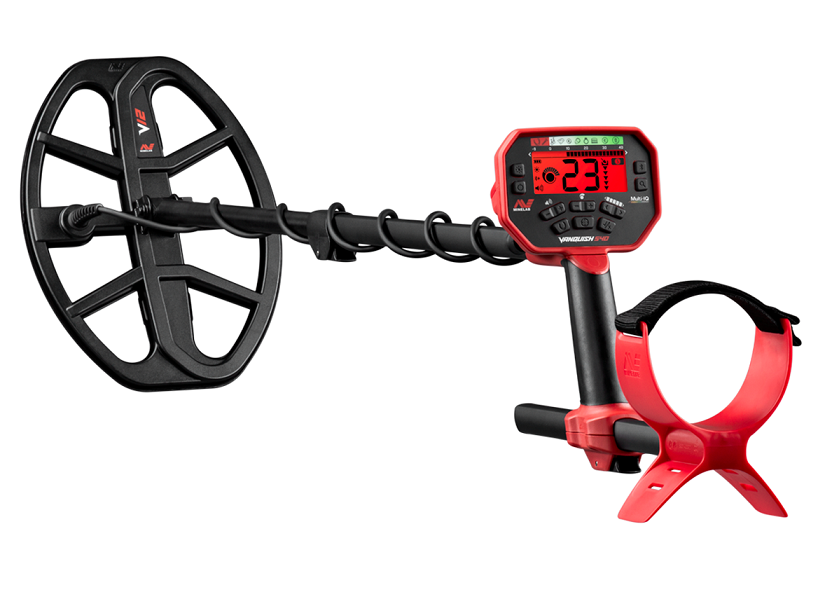
Gold prospecting is a great activity that should be experienced by many. One of the drawbacks of gold prospecting is the price of the equipment, particularly a brand new metal detector can take some potential prospectors out of the game.
An alternative solution to a brand new purchase is a 2nd hand purchase though only if the metal detector is of a suitable quality and will suit your prospecting needs. When looking at 2nd hand metal detectors (and 2nd hand gold prospecting equipment you will need to look at a few things first before making your equipment purchases.
What is your aim from gold prospecting or treasure hunting?
You might be looking at it as a basic hobby to get you in the great outdoors, where you spend a little money on some panning equipment and you hit the rivers in your state that have produced gold before. Alternatively you might also want to look for trinkets or possible treasure on a beach or go gold hunting near previous mines or tenements.
The deeper you are looking for treasure will determine the type of detector you are after. The deeper in the ground the gold or treasure is, the lower frequency detector you will require to find your potential bounty. So ideally you’ll want to know the terrain in which you will go on your adventures. This will determine the type of detector you will buy and will also determine the amount of money that you will be spending on your equipment.
Key points to look for in a metal detector
We’ve discussed the key points in what to look for in a metal detector before and obviously this applies to new and 2nd hand metal detectors, the key points are:
1. Type of metal detector
The two most popular types of metal detectors are Very Low Frequency (VLF) and Pulse Induction (PI). There is also the Beat Frequency Oscillation (BFO) style detector however we will only focus on the more popular two types.
Very Low Frequency (VLF) Detectors:
These are the more common metal detectors and are detectors that operate at a single frequency, usually between 3 kHz and 30 kHz. This detector uses two coils with one acting as the send and one acting as the receiver. This style of detector works best in an environment where you may need to reach a greater depth, there is less moderation in the soil and better discrimination.
They are usually better at ignoring interference and are the most versatile working across a wide range of locations and terrains.
Pulse Induction (PI) Detectors:
As the name suggests, these detectors operate by sending out bursts of pulses (from a collapsed electromagnetic field) through their coils and operate through multi frequencies. The benefit to this is that this type of detector can search deeper into the ground for targets. This style of detector can use one coil or multiple depending on the manufacturer.
This is a less energy efficient detector, it’s usually heavier than a VLF detector and usually requires more frequent battery replacement or charging.
This style of detector is more favorable to searching for gold (though some water and beach locations are suitable), usually offers no discrimination features and isn’t affected by mineralized ground.
2. Metal Detector Depth/Frequency
The first thing you should be looking for in a metal detector is how deep can it detect? This depth is reflected in the frequencies the detector operates at, with a lower frequency needed to detect an object that is deeper in the ground.
For example if you were looking for a simple hobby metal detector for a child to use at the beach to find coins or trinkets then a metal detector that operated to a depth of a meter or so, such as the Teknetics Eurotek would be a suitable detector.
If your preferred prospecting area was in an area where finds are at 5m or so in rugged terrain then you would need a lower frequency metal detector such as the Minelab GPX 6000
Some cheaper metal detectors only use one frequency (which limits the style of detecting or prospecting options) while multi frequency detectors (suitable for multiple terrains and targets) are usually more expensive and preferable for multi-terrain use if your budget can be stretched to accommodate this.
3. Metal Detector Coil Length
Coil size is the important point to look at when purchasing a metal detector. This is important when determining the location that you wish to do prospecting in.
Going back to our previous example above, a smaller coil would only be needed to be used when looking to search a beach with little depth to find coins or perhaps some old wash up treasure.
Whereas if you were heading out to some of the more rugged terrain in places such as Arizona, Nevada or Utah where a deeper detector would be needed, then a metal detector with a substantially larger coil would be recommended. This would also be in concert with the detector being able to operate lower frequencies to get to any deeper finds.
Also smaller coils are usually more sensitive while larger coils are needed to penetrate deeper into the ground.
4. Discrimination and Sensitivity
As per Minelab “Discrimination is a metal detector’s ability to identify buried targets based on their conductive and/or ferrous properties. By accurately identifying a buried target you can decide to dig it up or consider it as junk and continue searching.”
According to Mettler Toledo “Sensitivity is the measure of a metal detector’s ability to detect a specific type and size of metal contaminant. The better the sensitivity of the metal detector, the smaller the pieces of irregular-shaped metal it can detect. Performance is usually expressed in terms of the diameter of a test sphere made from a specific type of metal, such as ferrous, non-ferrous, aluminum or stainless steel. The higher the sensitivity of the metal detector, the smaller the pieces of metal it can detect. It is a clear ideal, but one that is complicated by a number of factors.”
5. Target IDs
Usually an indicator on your detector’s display that highlights what type of metal your detector has picked up (based on the conductivity of the metal). Depending on the metal detector will determine the way this is indicated on the display however this is usually in a number range between 0-99. Some detectors break this display down into ranges such as iron, gold and silver ranges.
More accurate target id numbers are usually evident in environments with good ground balance with lower sensitivity settings activated on your detector while also maintaining consistent coil control.
Smaller coils generally deliver more consistent target id’s.
Discrimination is also likely to affect target id’s. Target id is also likely to be more stable in lower frequency or multi frequency detectors.
Ideally beginners you are the more you will want this display to be easier to understand what your detector has found.
6. Ground Balance
Ground Balance is a variable setting that increases detection depth in mineralised ground. This ground may contain salts, such as in wet beach sand or fine iron particles, such as in red earth. These minerals respond to a detector’s transmit field in a similar way that a target does. Due to the much larger mass of the ground compared to a buried target, the effect of mineralisation can easily mask small targets. To correct this the Ground Balance setting removes the responding ground signals, so you clearly hear target signals and are not distracted by ground noise.
Depending on the detector this setting can be manual, automatic or there is a tracking ground balance option.
7. Other points to take into account
—-The size & weight of the metal detector
As mentioned above Pulse Induction metal detectors are usually heavier than the Very Low Frequency detectors so put some thought into this when looking into your metal detector purchase.
—-Is the detector (or at least the coils and display) waterproof?
You should have an idea of what you are looking to prospect for and where you are looking to do this. If there is likely to be water in the area then look to purchase a waterproof metal detector. Some brands, such as Minelab (XXXX) produce a metal detector that is suitable to use underwater.
—-Ease of use of the metal detector (ie suitable for beginners),
If you have never used a metal detector or you are a beginner in this field then you would prefer to purchase a detector that has preset or automatic settings that will get you up and running quicker. Once you get some experience then you can start to use some of the manual settings however look for an easy to use detector if you are a beginner.
—-Are there suitable parts and accessories for your desired detector?
Metal detectors are built to last for years however some of the parts suffer more wear and tear than others. You want to purchase a detector that offers plenty of spare parts years down the track and also a brand that repairs can help you with once your detector goes out of warranty.
—-Warranty length
The longer the warranty the more confidence you have in the brand and the detector. Some dealers or stores also offer additional warranties that can also be of value.
—-Finance options
Depending on the retailer there may be financing options available. Always do your research and your calculations before you make a purchase using finance options. Yes it might be desirable to purchase a better, more expensive model now, however financially it’s probably better to save more for the more expensive model.
What is your budget?
You might be a student who is looking to find a hobby that will help to get outside and build some fitness or you might be a more financially established person that is looking to get into gold prospecting in a big way and won’t blink at spending 5 figures on a metal detector and accessories to use in suitable gold prospecting accessories.
Know your budget then start looking at the marketplace and if your budget is stretched for a quality brand new metal detector then a great fallback option is a quality 2nd hand metal detector.
As mentioned above some retailers also offer payment plans or the Buy Now Pay Later option. Before taking this up ALWAYS do your research and your numbers on any proposed purchase through finance and always factor in potential rate increases if this is applicable to a finance option you may be looking at.
We will always recommend you pay cash even if that means you need to save a little more to purchase that new metal detector.
What is your desired brand?
This will be more applicable to those with experience with metal detectors or who currently or have previously owned one.
Like most products in life some brands hold their value better than others. This can be seen in cars, in electronics and is the same in metal detectors. If you’ve had some experience with metal detectors you might be familiar with some of the popular detector brands and you might have a preference.
Do your research, ask around, look to see what brand’s metal detectors are durable, accurate, have plenty of replacement parts available and hold their value.
What is your metal detecting knowledge base?
If it’s low then there is a good chance you could be fleeced if looking to buy privately. Remember there are a lot of people interested in ripping people off these days.
You need to have a good understanding of the types of terrain you are looking to go prospecting on and purchase a detector that will be suitable in these conditions. There is no point in purchasing a 2nd hand detector that is suitable for finding coins in beach sand where you are looking to find gold in deeper, rugged, rocky terrain. You will be wasting your money in this case so have an outline of what you are needing in your detector taking into account where you will be using this.
Either deal with a reputable metal detector dealer (who has a robust 2nd hand area) or reach out to an experienced gold prospector you or an acquaintance know. Make sure you do your research though, firstly finding out the type of metal detector you are after and secondly what price a 2nd hand metal detector (of decent quality) would likely go for.
Places to buy a 2nd hand metal detector
Your best bet to find a 2nd hand metal detector is to reach out to a reputable metal detector dealer. Look for a local store in your town or city and see if they offer 2nd hand metal detectors. Alternatively popular online metal detector stores such as High Plains Prospectors have a quality 2nd hand offering that you might find something in your price range.
Alternatively, specific forums (such as Metal Detecting Forum or Detector Prospector ) and Facebook groups in the metal detecting or gold prospecting niche might have a robust sales offering. You could also check out any Facebook marketplaces or sites like Mercari, Craigslist or Gumtree (depending on your location). Be very wary of dealing with these styles of marketplaces or sites as it is very easy to get scammed or to buy a dud detector. We aren’t saying that you can’t get a good deal, however there are a lot of scammers out there these days.
Always test the 2nd hand metal detector (in a location similar to your ideal prospecting location or bring along samples that you expect to be looking for in your prospecting adventures)that you are looking to purchase and if the seller won’t let you test this (assuming this is a potential in person sale) walk away from the sale.
Purchasing a new metal detector can be expensive (particularly one that is suitable over a wide range of terrain). For some this could be outside of your budget. This is where the potential benefits of purchasing a quality 2nd hand metal detector come in, especially from a reputed metal detector dealer.
As with any significant purchase you should do your research before forking out any of your hard earned cash. Obviously the more experienced you are the better your chances of getting a good deal with a 2nd hand detector. If you are less experienced then if you can’t find a good metal detecting store that offers 2nd hand products then your best bet is to save up your money to buy a new metal detector that offers a warranty.
Also, if you do purchase a new metal detector make sure that you keep the box, manuals, etc. to enable hiring resale or trade in value should you wish to upgrade your detector.